Income protection for nurses


Contents
Income protection is an insurance that provides you with a replacement income if you get injured or fall ill and have to take an extended break from your job. You take out a policy while you’re fit and working, then make a claim when you’re not. It’s designed for periods of sickness that last for more than a few days. Any sick pay you get from your employer while you’re off could be much less than you need, so income protection can make a big difference to your financial resilience. If you’re self-employed the support available is very limited, so income protection can be even more important.
Financial support during sick leave is very far from universal in the UK. Some employers offer extensive help, others fulfil only their statutory obligation to pay £118.75 a week, and some fall between the two.
For many public sector workers, sick pay is calculated by factors including length of service. These are the current NHS income protection arrangements for nurses:
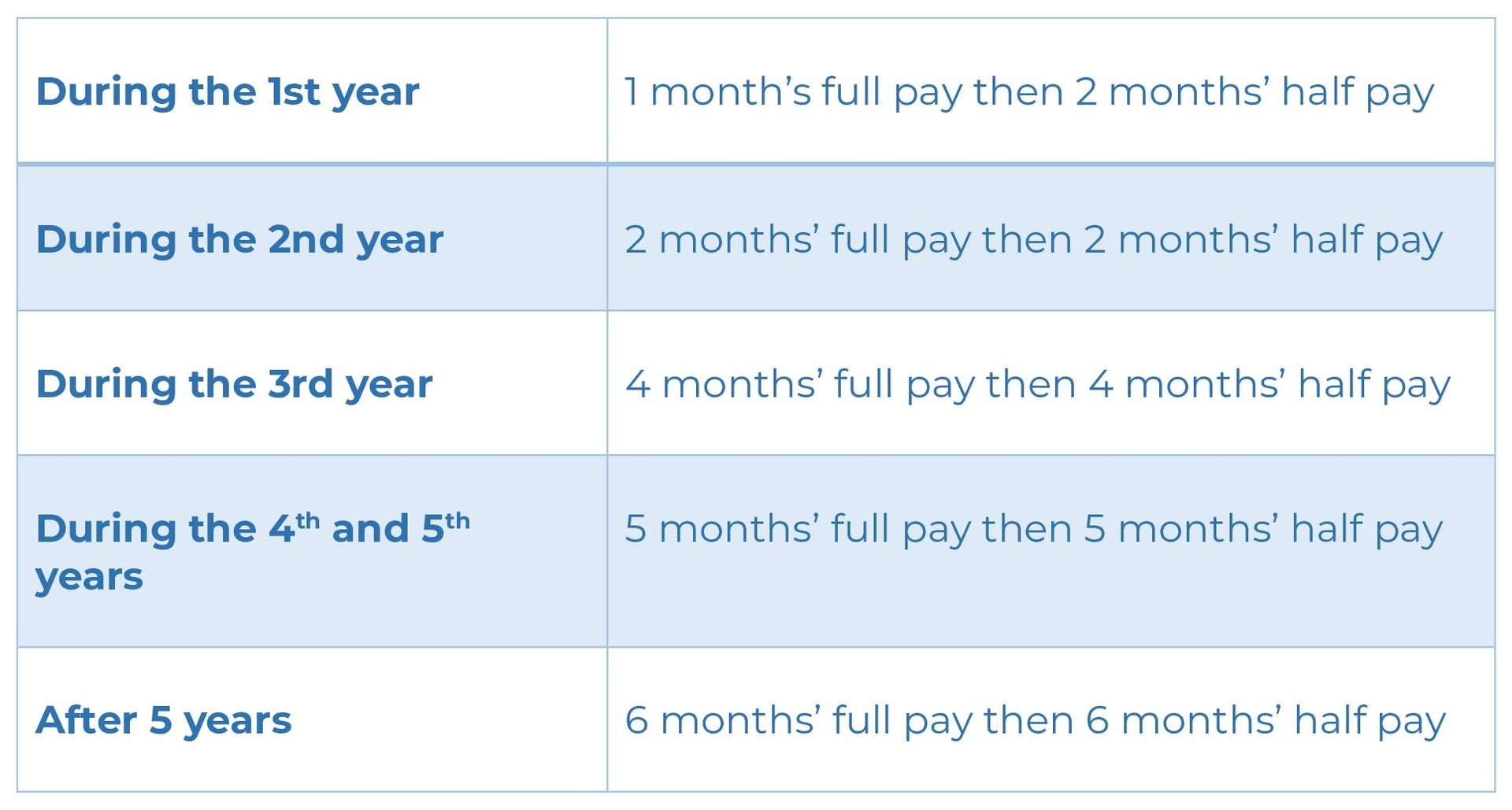
In the early years, the sick pay offered to nurses above the minimum statutory sick pay is relatively modest. After five years it increases to a level that is similar to the most generous private employer schemes but rises no further.
Alternatively, Eleos income protection insurance for nurses will pay you up to 65% of your gross income for up to a year.
Factors to consider
High-risk work
Nursing is undoubtedly a high-risk occupation. It may not have the obvious dramatic spectacle of fire-fighting or military service, but it brings with it all sorts of physical and mental health dangers. The Covid-19 pandemic claimed the lives of over 150 nurses in just one year, but that’s only an extreme example of the physical hazards they face every day. Aside from viral infection and other contagious diseases there is the constant threat of injuries like sprains, back strain, broken bones, concussion, burns and cuts. It’s an extremely physical job. Add to that the pressure it puts on mental health – stress, anxiety, depression, burnout – and it becomes clear that nurses are especially vulnerable to the sorts of illness that can put them out of work for long periods. For a nurse income protection can provide an essential safety net.
Low wages and sick pay
Nurses’ pay is already modest. For example, the starting salary for a newly qualified nurse on Band 5 is just under £30,000, rising in 5 years to a maximum of £36,500, which is only £500 above the national average wage.
In that context, the level of sick pay on offer – particularly in the first four years – seems scarcely adequate.
Financial resilience
Like many working people, nurses can struggle with the cost of living as bills and rents rise, often faster than inflation. Gone are the days when a certain level of security could be easily found in buying a home in your 20s – even with a mortgage. Living virtually from pay cheque to pay cheque has become the norm.
When personal finances are as finely balanced as they are today, it doesn’t take much to tip the scales and leave someone without the resources to cover even their essential costs. Financial resilience is vital. Given the moderate pay and sickness benefits available to them, nurses are one group of workers for whom income protection offers an effective alternative.
Nurses in private health
So far we’ve only talked about NHS nurses, but an equal challenge faces nurses who work in private health. They don’t have the pay scales and sick pay schemes offered by the NHS. What they’re entitled to depends on the policy of the company that employs them.
The average income of a nurse is £33,000 a year, with an entry level of just under £30,000. Sick pay is a matter for the individual employer so there’s no guarantee it will even match the NHS provision. For private sector nurses income protection can be even more important.
Short-term vs long-term
Income protection can be short-term or long-term. Short-term policies typically allow you to claim for up to 1 or 2 years at a time, while long-term policies can cover you potentially until retirement age.
Short-term insurance is suitable for injuries and illnesses which may keep you out of work for a few weeks as well as those that can take months to recover from. Long-term insurance covers you for conditions that might make it impossible for you ever to return to work. Long-term policies are consequently more expensive and short-term cover is more common.
Critical illness
Some people choose to combine income protection with critical illness insurance. They both support you when you’re unable to work, but where income protection pays you a regular monthly amount to replace your salary, critical illness pays out a lump sum if you’re diagnosed with a specific serious illness like multiple sclerosis or Parkinson’s disease. Having both gives you belt-and-braces protection.
Accident only
If your health is already compromised when you apply for income protection you may find insurance hard to secure, because most insurers will either decline to cover you or will add personal exclusions to your policy that prevent you from claiming for pre-existing conditions. If you do find it hard there is a kind of second-best option, which is accident-only insurance. It doesn’t cover you for illness, just for injury. However, it has the benefit of being available without a lengthy medical underwriting (assessment) process and of course it covers any injury, not just ones that you might sustain at work.
Life insurance
Another option, which won’t help you but can support your family and dependants, is life insurance. It doesn’t pay out until you pass away, but it does look after those you leave behind.
Group income protection
Some private health companies may offer membership of a group income protection scheme. The policy is owned by the company, who receive the payments if you have to take sick leave and then pay you through their payroll. Such schemes can be a little basic, but it’s certainly worth checking whether your employer operates one.
Cost
Insurers should allow you to choose the level of cover you want at a price you can afford. You can usually tailor it to your needs and budget, even if it means opting for slightly lower cover than you’d like.
Exclusions and limitations
Check any policy for exclusions – it’s common to find things like injuries and illnesses arising from pre-existing health conditions, non-essential surgery and dangerous pastimes excluded.
Waiting periods
Most income protection policies require you to choose a waiting period. This is the time that must pass, for each claim, between your having to stop work and receiving your first benefit payment. One way to decide on this is to work out how long you could manage on your salary and any savings. If you receive sick pay you can time your waiting period to end when your sick pay does, so your income protection benefits can take over. This is also relevant to cost, because the longer the waiting period, the lower your premiums will be.
Own occupation, suited occupation or any occupation
It’s common for income protection insurance to offer three levels of cover.
Own occupation: you’re unable to carry out your normal job
Suited occupation: you’re unable to do your normal job or another one suited to your skills and experience
Any occupation: you’re unable to work at all
Own occupation cover is the most expensive of the three, but it does mean you only have to show that you can’t do your usual job in order to qualify.
Extra benefits
Insurers often provide free benefits on top of the cover you pay for. These can include healthcare support, money-saving offers and gym membership. You might not base your decision on these extras, but it’s definitely worth finding out what you’ll get for your money.
Income protection for nurses
Frequently asked questions
Fact-checked and reviewed by Kiruba Shankar Eswaran or another licensed agent on our team. Read our editorial standards.
This guide is for general educational purposes and is not financial advice. Cover, eligibility and terms vary by insurer and by policy. Always read the policy documents for the full terms, limitations and exclusions before you buy.
Related resources
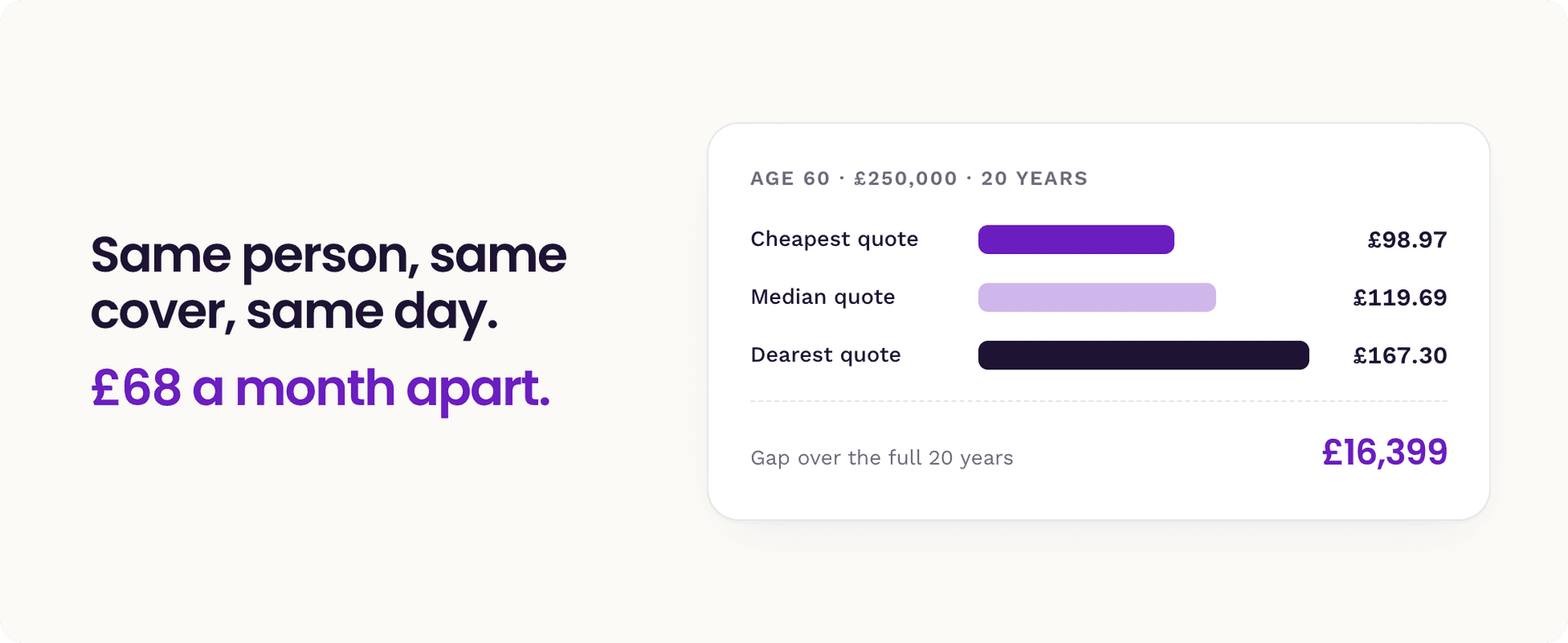
Life insurance cost UK 2026: what 6,557 real insurer quotes show
We collected 6,557 live quotes from UK life insurers in September 2026 and compared every one. Median prices by age, cover amount and policy length, how much smoking multiplies your premium, why bigger policies cost less per pound, and how mortgage protection compares with level cover.

What Is Term Life Insurance? UK Guide & Quotes (2026)
A complete UK guide to term life insurance: how it works, what it costs, the main policy types, underwriting, how it compares with whole of life, and the top UK providers.

6 Financial Resilience Tips for 2026
New Year, new money mindset. It’s time to break free from financial anxiety once and for all. Here are six simple tips to boost your financial resilience in 2026 and bring you peace of mind all year long!

Life Insurance for Young Adults
Life insurance for young adults doesn't have to be complicated or costly. This comprehensive guide covers why purchasing life insurance as a young adult locks in lower rates based on current health and how to pick the proper policy length and provider for your situation.

Turning Customer Curiosity Into Confidence: Theea's Coverage Calculator
Introducing Theea's Coverage Calculator: the intuitive insurance tool inspired by thousands of customer conversations that turns anxiety into tailored advice and confusion into confident choices.

Meet Your Newest Eleos Perks
We’re expanding our perks with two new additions designed to turn good intentions into healthy habits. Discover everything you can get for free with an Eleos policy.